
Patient Resources
What Happens in the Procedure Room During Anesthesia
Understanding what to expect when your anesthesia begins can help reduce anxiety. Here is a clear, honest guide to the process.
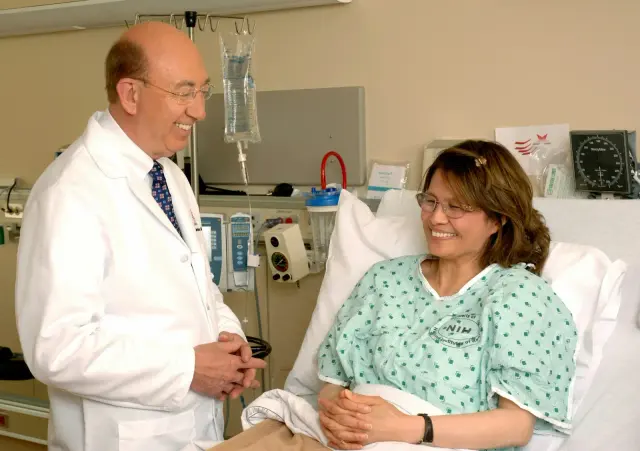
In the Procedure Room
Your anesthesia provider is with you from the moment you arrive until you wake up.
When you arrive in the procedure room, your anesthesia provider will verify your identity, confirm the planned procedure, and check in with you on any last-minute concerns. You will not be alone.
Your provider remains present for the entire procedure, monitoring your vital signs, adjusting medications, and working alongside the surgical team to keep you safe and comfortable throughout.
How Anesthesia Is Administered
General anesthesia is typically administered through an IV, sometimes combined with inhaled agents delivered through a mask. Regional anesthesia (such as a spinal or epidural) involves an injection near the spine. Sedation may involve IV medications that keep you relaxed and comfortable without full unconsciousness. Your anesthesia provider selects the approach that is safest and most effective for your specific procedure.
Types of Anesthesia You Might Receive
General Anesthesia
You are completely unconscious and feel no pain. Used for most major surgical procedures. You will not be aware of anything during the procedure.
Regional Anesthesia
A specific area of your body is numbed. Examples include spinal anesthesia and epidural anesthesia. You may be awake or lightly sedated during the procedure.
Sedation
You are relaxed and may be drowsy but not fully unconscious. Used for less invasive procedures. You may have limited memory of the procedure afterward.