
Patient Resources
Recovery After Anesthesia: What to Expect
Understanding what happens during recovery can help you prepare and know what is normal.
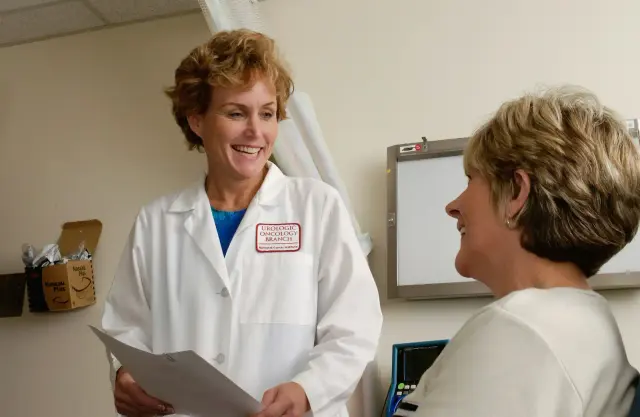
After Your Procedure
Recovery is a team effort, your care team stays with you every step of the way.
After your procedure, you will be moved to the recovery room where nurses and your anesthesia provider will monitor your vital signs, pain, and alertness as the anesthesia wears off.
Feeling groggy, cold, or slightly disoriented when you first wake up is completely normal. The guidance below will help you understand what to expect, both in the recovery room and once you are home.
Common After-Effects of Anesthesia
- Drowsiness or grogginess that may last several hours
- Nausea or vomiting (medications can help manage this)
- Sore throat or hoarseness from the breathing tube used during general anesthesia
- Mild confusion, especially in older patients
- Chills or shivering as your body temperature normalizes
- Muscle aches or mild discomfort at the IV site
When Can I Go Home?
Your care team will clear you to go home when your vital signs are stable, your pain is under control, you are alert enough to follow instructions, and a responsible adult is available to take you home. For outpatient procedures, most patients go home the same day.
What to Expect at Home in the First 24 Hours
Plan to rest for the remainder of the day. Drowsiness and fatigue are normal. Stay hydrated by drinking clear fluids. Eat light meals as tolerated. Take prescribed pain medications as directed. Have someone stay with you the first night if you received general anesthesia.
Activities to Avoid After Anesthesia
- Driving or operating machinery for at least 24 hours
- Making important legal or financial decisions for at least 24 hours
- Drinking alcohol for at least 24 hours
- Strenuous physical activity until cleared by your surgeon
When to Contact Your Care Team
Contact your surgical team or go to the emergency room if you experience: fever over 101.5°F, persistent vomiting, difficulty breathing, severe pain not relieved by prescribed medication, signs of infection at your surgical site, or chest pain.